
Walking pads have revolutionized weight loss routines in our remote working era. Walking remains one of the easiest and best ways to support weight loss. These compact exercise devices help you reach your goals right at home. A walking pad can burn around 100-130 calories in just 30 minutes. It helps build muscle mass that boosts your body’s calorie-burning capacity.
The real advantage of walking pads is how easy they are to use. You don’t need special workout times – just walk while you work or watch TV. Results start showing up when you walk for 20 minutes three to four days each week. These devices let you walk at speeds from 0.5 to 4 mph, providing comfortable low-intensity workouts that make a real difference in your weight loss experience. Walking pads take up less space than regular treadmills, which makes them ideal for Indian homes where space is tight.
What is a walking pad and how does it work?
A walking pad looks just like a smaller, basic treadmill—because that’s exactly what it is. These portable exercise devices have a motorized belt on rollers without the heavy frame you see on regular treadmills. Picture the heart of a treadmill redesigned to fit modern homes and busy lives.
Compact design for home use
Walking pads stand out because of their space-saving design. Regular treadmills weigh hundreds of kilograms and take up lots of room. But walking pads are light—usually between 13-23 kg—which makes them easy to move around. You can quickly move these compact machines between rooms or tuck them away under furniture.
These machines work great in urban Indian homes where space is tight. The slim design lets you slide them under your bed or prop them against a wall after exercise. Many models can fold up too, which is perfect if you live in an apartment and don’t have a dedicated exercise room.
The compact size doesn’t mean less function. Walking pads come with a small screen that shows your speed and distance. Instead of a big control panel, you can use a remote or your phone to control them. This keeps everything neat and simple.
Walking pad vs treadmill: key differences
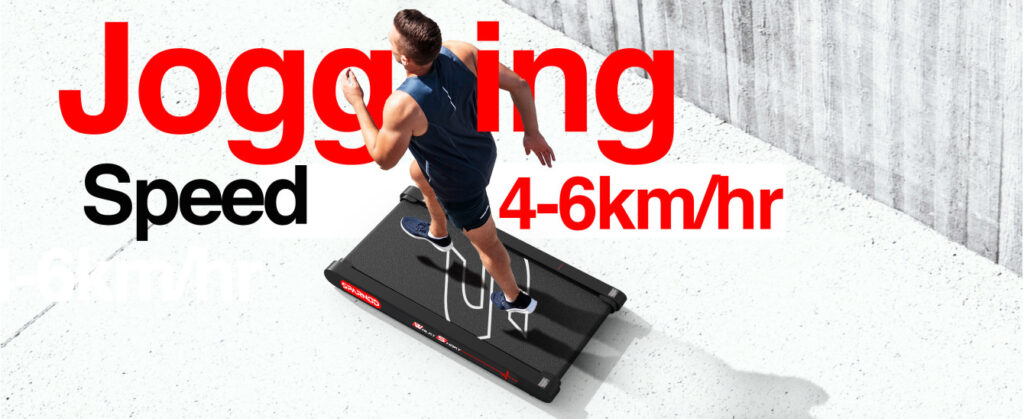
Walking pads and traditional treadmills serve different purposes. Walking pads work best at the time you want to walk or jog lightly, with speeds up to 4-6 km/h. Some better models can reach 8-10 km/h. Regular treadmills can go much faster—up to 24 km/h.
There’s another reason these machines are different: motor power. Walking pads use smaller motors that work best for steady movement rather than intense running. This makes them quieter, which helps if you’re on work calls or have family at home.
Here are the main differences:
- Size and portability: Walking pads weigh 50-70% less than regular treadmills
- Features: Regular treadmills have incline settings and entertainment systems; walking pads keep things simple
- Price point: Walking pads cost between ₹12,657 to ₹50,628, while full-sized treadmills can cost ₹84,380 or more
Why walking pads are trending for weight loss
Walking pads have become popular because they solve the biggest problem with exercise—making it convenient. You can walk instead of sit, which turns inactive time into calorie-burning opportunities.
Social media buzz has grown as people find these devices help them get more steps without changing their daily routine. Walking slowly for an hour adds 5,000-6,000 steps to your daily count. Many users report losing weight after they start using walking pads regularly.
Research shows that using a walking pad during work improves your energy, reduces muscle soreness, eases hip and back pain, lifts your mood, and helps you think more clearly. If you watch your blood sugar, walking on these pads after meals can lower glucose levels faster, which might reduce fat storage.
Benefits of using a walking pad for weight loss
Walking pads can help you lose weight in amazing ways. This is especially true since most adults sit for over 10 hours daily. These devices give you a chance to stay active throughout the day and come with several benefits if you want to shed those extra pounds.
Helps increase daily step count
Walking pads are a great way to boost your daily step count. Research shows that office workers who used walking pads walked 4,500 more steps each day. These extra steps make a big difference. Studies suggest you can reduce your risk of dying from any cause, including heart disease, by walking at least 4,000 steps daily.
You don’t need to walk fast to see results. A gentle hour-long walk adds 5,000-6,000 steps to your daily count. Many people who use walking pads have doubled their steps from 6,000 to over 12,000 daily. Adding just 1,000 steps to your day improves heart health, lowers blood pressure, reduces stroke risk, and strengthens your bones.
Low-impact cardio for joint health
Walking pads give you cardio benefits without stressing your joints, unlike high-intensity workouts. They work great if you have joint pain, arthritis, or are recovering from surgery. Walking gently helps your joints move better and become more flexible, especially in your hips and knees.
You can exercise longer and more often without pain on a walking pad. The minimal joint stress lets you extend your walking sessions safely. This extra comfortable activity helps you burn more calories and lose weight steadily.
Supports consistent calorie burn
Walking pads help you burn calories steadily throughout your day. A moderate walking pace can burn approximately 200-300 calories per hour. Even slower speeds of 1.5 mph burn around 150-250 calories hourly. You can burn over 500 extra calories during a full workday.
Walking pads boost your non-exercise activity thermogenesis (NEAT)—calories burned during everyday activities beyond formal exercise. Higher NEAT through regular walking increases your daily energy burn, creating the calorie deficit you need to lose weight.
Your weight loss depends on several factors:
- How long and how intensely you walk
- How often you use the pad daily
- Your current weight (heavier people often burn more calories)
- Your eating habits
Improves blood sugar control post-meals
Walking pads help control your blood sugar after meals in surprising ways. Research shows that walking for just 2-5 minutes after eating reduces blood sugar spikes by a lot. These benefits show up within 30-90 minutes after meals.
Your blood glucose usually peaks about an hour after eating. Walking makes your muscles work harder and use more glucose, which improves insulin sensitivity. Better blood sugar control prevents energy crashes that lead to unhealthy snacking and helps your body burn fat more efficiently.
Walking after meals can reduce sharp blood glucose rises, even if you don’t have diabetes. Stable blood sugar helps maintain your energy levels throughout the day, making it easier to stick to healthy eating habits that support weight loss.
How to use a walking pad effectively at home
Creating a walking pad routine at home needs smart planning and steady progress. You can maximize weight loss benefits by finding the right approach that fits your lifestyle and fitness level.
Start slow and build endurance
We have a long way to go, but we can build on this progress with a walking pad through gradual progression. Start with just 5-10 minutes at a slow pace (1-1.5 km/h) to help your body adjust while you work or do other activities. New users should focus on consistency rather than intensity and walk for 15-20 minutes at a comfortable pace. The first week should include 45-60 minutes of walking that you can split into shorter sessions.
Your comfort level will increase gradually with both duration and speed. Mix slow walking days with brisker sessions to challenge different energy systems. Soon you’ll handle longer sessions without getting tired.
Set a daily walking pad exercise plan
A well-laid-out walking pad routine boosts consistency and results. Here are some proven frameworks to think about:
- 45-15 Rule: Walk for 45 minutes, then rest or sit for 15 minutes
- 20-8-2 Rule: Spend 20 minutes walking, 8 minutes sitting, and 2 minutes doing dynamic stretches
- Weekly Progressive Plan: Begin with 30-minute sessions at easier paces early in the week, then increase intensity and finish with longer, steady-state sessions on weekends
You can burn about 300 calories daily through walking pad exercise, which usually takes about 60 minutes of brisk walking. Regular walking pad use combined with proper nutrition helps you lose around 0.5 kg weekly.
Incorporate walking pad into work or TV time
The walking pad becomes easier to use when you make it part of your daily activities. Place your walking pad where you spend much time—near your desk or in front of the TV. Here’s an effective workday schedule:
Morning: 30 minutes walking while listening to podcasts or news Work hours: 2-3 hours total (not consecutive) during video calls and email sessions Evening: 60 minutes while watching your favorite shows
This schedule helps you reach 10,000 steps daily without setting aside special exercise time. Walking pads work best for tasks that need less focus—answering emails, attending virtual meetings, or brainstorming ideas.
Track walking pad calories burned with apps
Progress tracking gives you motivation and accountability. Most walking pads link to dedicated apps that record steps, distance, and calories burned. These apps let you share achievements with friends and family for extra motivation.
Note that a 65 kg person burns about 4 calories per minute walking at 5 km/h, which means a 30-minute session burns about 120 calories. A 90 kg person burns around 5 calories per minute at the same pace.
Step goals help improve results—try to reach 6,000-10,000 steps daily. Apps track your daily totals and give an explanation of your walking patterns and improvements over time.
Safety, posture, and setup tips for best results
The right technique and setup are the foundations for getting the best results from your walking pad. Your steps count, but these significant factors help you avoid injuries and boost your weight loss experience.
Maintain upright posture while walking
Your walking pad results depend on how well you stand tall. Keep your head up with your chin parallel to the ground and look 10-20 feet ahead. This head position naturally puts your ears above your shoulders, so you won’t drop your head toward your chest. You should keep your spine elongated throughout your walk.
A quick shrug-and-drop motion before you start helps relax your shoulders. This simple move releases tension and lets your shoulders fall naturally. Pull your belly button toward your spine while walking to activate your core muscles. Your core activation helps balance and reduces back pressure during longer walks.
Use proper footwear for joint support
You must wear appropriate shoes for walking pad safety. Pick shoes designed specifically for walking that have proper cushioning to absorb impact. Don’t wear flat shoes without arch support because they can cause plantar fasciitis and heel pain. Stay away from high heels, flip-flops, or going barefoot on your pad.
Find shoes with quality cushioning that fit well right away. Your walking shoes need a sturdy yet flexible sole that bends at the toe, not through the midfoot.
Ensure flat surface and clear surroundings
Put your walking pad on a level, stable surface where you have enough room to move. This setup stops unwanted movement during use and makes accidents less likely. Some people place their walking pad against a wall for extra stability.
The area around your pad should be free of cords and anything else you might trip over. Clean your pad regularly and check the belt alignment to keep it working well.
Avoid distractions while walking
Multitasking while walking might seem efficient, but some activities need too much focus for safe pad use. Skip tasks that need precision, like working on detailed reports or spreadsheets. These activities make both your work and workout less effective.
Watch TV or use your phone carefully while walking to keep your balance. Good form matters more than entertainment, so you can reach your weight loss goals effectively with your walking pad.
Best Sparnod Fitness walking pads for weight loss
A good walking pad plays a vital role in your weight loss trip. Sparnod Fitness, a trusted Indian brand, has several models that fit different fitness needs and space constraints.
Sparnod STH-3002: Compact and foldable
The Sparnod STH-3002 is a great choice if you have limited space. This ultra-slim walking pad slides under a bed or sofa when not in use, which makes it perfect for small apartments. A robust 2.5 HP DC motor powers it and provides a speed range of 1-6 km/h for effective low-impact workouts.
This model works well for weight loss because it combines practicality with smart design. The built-in deck shock absorption system reduces impact on joints, so you can walk longer and more comfortably. The LED display shows key metrics like time, distance, speed, and calories burned to help you track your weight loss progress.
You don’t need to assemble the STH-3002—just plug it in and start walking. This “ready to use” feature lets you start your fitness routine right away. The machine supports a maximum user weight of 100 kg (though it works best for users up to 80 kg), which fits most people looking to lose weight.
Sparnod WalkyShaky: With vibration treadmill fat loss feature
The Sparnod WalkyShaky takes a different approach with its vibration technology. This 3-in-1 machine combines walking, jogging, and vibration modes to help you burn more fat.
Built-in vibration modes in the WalkyShaky improve blood circulation and help relax muscles, which can speed up workout recovery and fat metabolism. These vibration features can burn more calories even during slower walks.
The WalkyShaky can handle users up to 120 kg, unlike the STH-3002. Its 2.5 HP motor runs smoothly and quietly—perfect for daily use without bothering others at home.
Choosing the right model based on your height and stride
Your choice between these models depends on several personal factors. The WalkyShaky with its 120 kg capacity might work better if you weigh close to 100 kg.
Space matters too. The STH-3002’s ultra-slim profile (385x950mm running surface) fits very small spaces. The WalkyShaky comes in slightly different dimensions (98cm x 52.8cm x 8.9cm).
Your fitness goals also matter. The STH-3002 gives you everything you need for simple, regular walking to lose weight. The WalkyShaky might work better if you want extra fat-burning benefits from vibration technology.
Both models come with warranties against manufacturing defects, so you can feel confident about your fitness investment.
Conclusion
Walking pads are a perfect fitness solution to lose weight, especially in space-constrained Indian homes. These compact machines fit right into your daily routine and don’t need a dedicated workout area. The health benefits go way beyond the reach and influence of just weight management – you’ll see better blood sugar levels and healthier joints through gentle movements.
Your success with a walking pad comes from being regular rather than pushing too hard. Start with 15-20 minutes each day and slowly build up. This simple routine can help you lose about 0.5 kg per week when you eat right. Smart apps that track your progress are a great way to get the motivation you need to stick with this healthy habit.
The right posture, shoes, and a stable setup keep you safe during your walks. These basics turn your casual stroll into a real weight-loss workout.
Sparnod Fitness makes great walking pads designed for Indian users who want to shed weight. Their STH-3002 model fits perfectly in smaller homes, while the WalkyShaky comes with vibration tech to burn more fat. Both machines let you work on your fitness goals comfortably from home.
Time management is the biggest problem when it comes to fitness goals. Walking pads solve this by letting you walk while you work, watch TV, or handle other tasks. This simple switch turns idle hours into active ones and creates the calorie gap you need to lose weight naturally – all without disrupting your daily schedule.
FAQs
Q1. How effective are walking pads for weight loss?
Walking pads can be highly effective for weight loss when used consistently. They help increase daily step count, burn calories, and improve blood sugar control. With regular use, combined with proper nutrition, you can potentially lose around 0.5 kg per week.
Q2. What are the advantages of a walking pad over a traditional treadmill?
Walking pads are more compact, portable, and quieter than traditional treadmills. They’re ideal for small spaces, can be easily stored, and are generally more affordable. While they have lower maximum speeds, they’re perfect for walking and light jogging, which are excellent for weight loss.
Q3. How long should I use a walking pad each day for weight loss?
Start with 15-20 minutes daily and gradually increase. Aim for about 60 minutes of brisk walking to burn approximately 300 calories. You can split this into shorter sessions throughout the day, making it easier to incorporate into your routine.
Q4. Can I use a walking pad while working or watching TV?
Yes, walking pads are designed to be used during other activities. They work well for tasks requiring less concentration, like answering emails, attending virtual meetings, or watching TV. This allows you to increase your daily activity without dedicating specific exercise time.
Q5. What should I consider when choosing a walking pad?
Consider factors like available space, weight capacity, speed range, and additional features. For example, the Sparnod STH-3002 is ultra-slim and foldable, ideal for small spaces, while the Sparnod WalkyShaky offers vibration technology for enhanced fat burning. Choose based on your specific needs and weight loss goals.