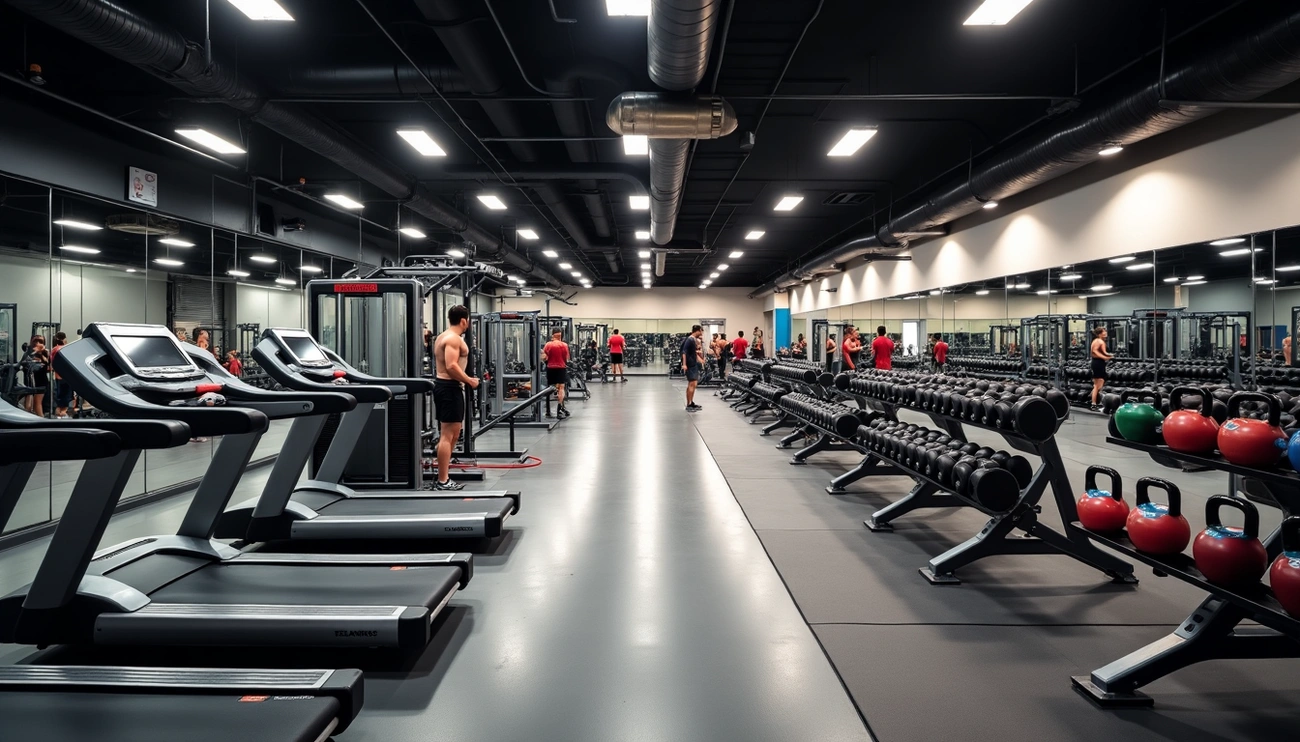
Most gym injuries occur during weight training. This makes equipment selection one of the crucial decisions for fitness center owners. India’s fitness industry shows remarkable growth as more people focus on health and wellness.
Buying commercial gym equipment needs careful thought that goes way beyond the reach and influence of just pricing. Professional equipment must handle constant daily use. Home equipment alternatives aren’t built to handle such intensive operation. Treadmills remain the most used machines in any gym. These cardio machines need extra attention to performance and durability. Quality commercial equipment needs substantial investment. The prices in INR might look overwhelming at first. Smart owners realize that premium equipment from prominent providers like Sparnod Fitness India ensures member safety and satisfaction.
This piece shares what successful gym owners know about picking, arranging, and maintaining the right equipment for their facility. We’ll help you learn about balancing costs and creating the best layout for members. These insights can determine success in today’s competitive digital world.
Essential Equipment Categories for a Commercial Gym
A successful commercial gym needs the right mix of equipment that works for both members and business objectives. Let’s look at the key equipment categories that build the foundation of a thriving fitness facility.
Cardio machines: treadmills, ellipticals, bikes, and rowers
Cardio equipment takes up 20.1% of gym space, while strength equipment uses 15.7%. Treadmills lead the pack as the most popular machines in commercial gyms. Commercial-grade treadmills cost between ₹84,380 and ₹421,902. These machines feature cushioned running surfaces that help reduce stress on joints.
Members with joint issues particularly appreciate elliptical trainers. Professional models range from ₹67,504 to ₹337,521 and deliver smooth resistance transitions.
The stationary bike family includes upright, recumbent, and spin bikes. Commercial models typically cost between ₹42,190 and ₹210,951. Their magnetic resistance systems run quietly and need less maintenance.
Rowing machines give users a complete body workout at ₹67,504 to ₹210,951 for commercial models. These machines target multiple muscle groups at once, making them a smart investment.
Strength training: free weights, benches, and machines
Free weights are the cornerstones of strength areas. Quality matters with dumbbells costing ₹84 to ₹253 per pound. Olympic barbells range from ₹16,876 to ₹42,190.
Adjustable benches that support flat, incline, and decline positions are crucial. Their prices range from ₹4,219 to ₹42,190 based on build quality and features.
Cable machines and functional trainers range between ₹168,760 and ₹421,902. These versatile machines support numerous strength exercises.
Functional training: cables, kettlebells, and resistance tools
Functional trainers with adjustable pulleys let members perform various exercises. Cast iron kettlebells cost between ₹991 and ₹9,912, while competition-grade options range from ₹4,118 to ₹21,700.
Resistance bands complement other strength equipment and provide affordable versatility.
Group fitness: mats, steps, and cycling bikes
Group cycling bikes need specific features. They must repel water, resist sweat, and include power regulation systems that are accurate within +/- 2%.
Mats, steps, and accessories complete the group fitness space. These items help create an environment where members can join instructor-led workouts and build a stronger gym community.
What Smart Owners Consider Before Buying Equipment
Buying commercial gym equipment needs careful analysis before committing any money. Successful gym owners in India know their equipment choices affect member satisfaction and profits by a lot.
Understanding your gym’s target audience
Your target demographic plays a key role in equipment selection. Research shows that 82% of businesses perform better when they learn about their target audience. A good analysis of age, fitness levels, and priorities of potential members should come before purchasing professional gym equipment. To name just one example, see how younger members usually prefer strength equipment, while older adults tend to choose user-friendly machines.
Gyms that serve different types of members need balanced equipment choices. Specialized facilities can focus their money on specific machines. Member surveys are a great way to get feedback about changing priorities. This helps your facility line up with what customers want.
Balancing commercial gym equipment price with quality
Quality commercial grade gym equipment might cost more at first but pays off through better durability and happier members. High-quality equipment guides members to stay longer and becomes more economical over time.
Your budget should include:
- Operating costs beyond the purchase price
- Warranty coverage from providers like Sparnod Fitness India
- Maintenance needs and spare parts availability
- Expected life span under heavy commercial use
Choosing between leasing and buying
Your financial situation and business goals determine whether to lease or buy. Leasing needs less money upfront—usually just one or two months of payments. It also makes payments tax-deductible as business expenses.
Buying equipment has its advantages. The Tax Cuts and Jobs Act gives big deductions for purchased business equipment. Businesses spending less than ₹210.95 million yearly can deduct up to ₹84.38 million.
Many boutique gyms do well with lease-to-own plans. These plans reduce the upfront cost while building ownership over time.
Planning for future expansion and upgrades
Smart gym owners keep space flexible for growth. More members mean you’ll need more equipment. Look for equipment that can be upgraded or modified. This helps you adapt to new fitness trends without replacing everything.
Regular equipment checks help you spot when upgrades become necessary. Working with suppliers who offer planning services helps optimize your current layout and future growth. This maximizes your investment in commercial cardio equipment and strength machines.
Optimizing Layout and Member Experience
The way you arrange your commercial gym equipment matters as much as the equipment quality itself. Smart arrangement of machines does more than fill space – it improves member experience, safety, and operational efficiency.
Zoning your gym for cardio, strength, and group classes
Your fitness center needs dedicated spaces for different workout styles. Most professional gyms divide their space this way:
- 30% for strength training areas
- 15% for functional training zones
- 10-15% for amenities like lockers and lounges
Cardio machines work best near entrances. This creates a natural flow that guides members through their workout experience. Members can easily access high-demand equipment near entrances, which reduces bottlenecks and traffic jams inside.
Ensuring smooth traffic flow and accessibility
Your gym needs pathways at least 3-4 feet wide to prevent congestion. Equipment spacing should be 3-5 feet between machines. This gives members safety and comfort during busy times.
Wheelchair users need accessible walkways throughout the gym. Sanitization stations and water dispensers should be placed strategically in busy areas to promote convenience and hygiene.
Ventilation, lighting, and mirror placement
Good ventilation remains essential for commercial gyms. Your HVAC systems should keep temperatures at 20-22°C (68-72°F) with proper humidity control. High-capacity vents near exercise equipment and changing rooms will prevent odors from spreading.
Functional training areas need bright lights, while wellness zones benefit from adjustable dimming controls. Mirrors serve multiple purposes when placed strategically – members can check their form, spaces look bigger, and natural light reflects better.
Storage solutions for small and large equipment
Wall-mounted storage helps maximize floor space while keeping equipment tidy. Some effective options include:
- Wall-mounted racks for dumbbells and kettlebells
- Vertical storage solutions with hooks for resistance bands
- Equipment racks placed throughout different zones
These storage solutions help prevent tripping hazards while maintaining a professional look that members value. Quality storage systems from Sparnod Fitness India complement your commercial grade gym equipment and improve overall safety and functionality.
Hidden Costs and Maintenance Tips
Many new gym owners learn about the hidden costs of commercial gym equipment after making their purchase. You can protect your investment and make equipment last longer by knowing these expenses upfront.
Installation and delivery charges
The price tag on commercial grade gym equipment only tells part of the story. Your original investment could go up by 15-25% just from installation costs. Companies like Sparnod Fitness India give you free installation, which saves you money compared to other brands that charge for these basic services. Setting up cardio machines needs professional help to keep the warranty valid.
Routine maintenance and servicing
Regular upkeep costs less than emergency fixes. You should set aside 1-2% of your gym’s setup cost for unexpected repairs. This means if your gym costs ₹5,062,827, you need ₹50,628-₹101,256 each year. A well-laid-out maintenance plan should look like this:
- Daily: Clean and check equipment visually
- Weekly: Look at cables and connections
- Monthly: Deep clean and inspect everything
Good maintenance helps equipment last longer and prevents breakdowns that make members unhappy.
Training staff on equipment use
The way staff handles equipment affects how long it lasts and keeps members safe. Staff members who lack training miss early signs of equipment problems, which leads to bigger issues. Gym owners who give their employees complete training programs spend less on repairs and have fewer equipment-related injuries.
Warranty and support from Sparnod Fitness India
Commercial cardio equipment warranty usually covers:
- Structural components: 2-3 years
- Electrical and mechanical parts: 1-1.5 years
- Labor: 1 year
All the same, you should read warranty details carefully. Most brands don’t cover delivery and installation in their warranty. Sparnod Fitness India’s complete warranty needs proper purchase records and regular maintenance. Using genuine parts during the warranty period means less downtime when repairs happen.
Conclusion
The success of a commercial gym ended up depending on smart equipment choices. This piece explores gym ownership aspects that go way beyond the reach and influence of just buying machines. Quality commercial equipment from Sparnod Fitness India needs substantial investment—all the same, these original costs reward you through happy members, safety, and long-lasting equipment.
Your target demographic knowledge helps you spend your budget wisely. To name just one example, a gym that serves bodybuilders needs more strength equipment, while a fitness center for seniors should focus on easy-to-use cardio machines and functional training tools.
Smart layout planning and proper maintenance affect your profits by a lot. Even the best equipment won’t last without proper care. Regular maintenance schedules and staff training on equipment use make machines last longer and create a safer space for members.
Each fitness facility faces its own challenges based on where it is, who it serves, and how it runs. So we suggest you talk to experts at Sparnod Fitness India who know India’s market needs and can give you affordable solutions that fit your budget.
Note that quality equipment forms the foundation of your member’s experience. The upfront cost might look big, but quality commercial gym equipment from trusted Indian providers pays off through better durability, warranty coverage, and member loyalty. Your gym will shine in India’s competitive fitness world—not just today but over the last several years to come.
FAQs
Q1. What are the essential equipment categories for a commercial gym? A commercial gym typically requires four main categories of equipment: cardio machines (like treadmills, ellipticals, bikes, and rowers), strength training equipment (including free weights, benches, and machines), functional training tools (such as cables, kettlebells, and resistance bands), and group fitness equipment (including mats, steps, and cycling bikes).
Q2. How should gym owners balance equipment cost with quality? While high-quality commercial gym equipment may require a larger initial investment, it often proves more cost-effective in the long run. Owners should consider factors like durability, warranty coverage, maintenance requirements, and expected lifespan under heavy usage. Quality equipment typically leads to better customer retention rates and reduced long-term operational costs.
Q3. What are some key considerations for optimizing gym layout? Optimizing gym layout involves strategic zoning for different workout styles, ensuring smooth traffic flow with adequate spacing between equipment, proper ventilation and lighting, strategic mirror placement, and efficient storage solutions. A well-designed layout enhances member experience, safety, and operational efficiency.
Q4. What hidden costs should gym owners be aware of when purchasing equipment? Hidden costs associated with commercial gym equipment include installation and delivery charges, routine maintenance and servicing expenses, staff training costs, and potential repair costs not covered by warranty. It’s advisable to budget for these additional expenses when planning equipment purchases.
Q5. How important is regular maintenance for commercial gym equipment? Regular maintenance is crucial for commercial gym equipment. It extends equipment lifespan, prevents costly downtime, and ensures member safety. A structured maintenance schedule should include daily cleaning and inspections, weekly checks of cables and connections, and monthly deep cleaning and comprehensive inspections. Preventive maintenance is generally more cost-effective than emergency repairs.